← Return to the ArchiveAmara the ArchivistEpisode VII

Volume VIII · An Afrofuturist Mystery

The Ghosts of
Gorée Island

"Some voices were silenced. But memories never disappeared."

The True Story Behind The Ghosts of Gorée Island

The Ghosts of Gorée Island

For centuries, Gorée Island, just off the coast of present-day Senegal, was one of the many places connected to the transatlantic slave trade. Men, women, and children from different parts of Africa passed through its shores before being forced onto ships bound for distant lands across the Atlantic Ocean.

One of the island's most recognized landmarks is the Door of No Return, a powerful symbol of the millions of Africans who were separated from their families, languages, and homelands. Though they were taken from Africa, they carried with them their songs, stories, faith, craftsmanship, food traditions, music, and hope. Across generations, these traditions survived and became part of cultures throughout the Americas and the Caribbean.

Today, Gorée Island is recognized as a place of remembrance and reflection. Visitors from around the world come to honor the resilience of those who endured unimaginable hardship and to celebrate the enduring legacy of African cultures that continue to shape our world.

This episode of Amara the Archivist is inspired by the true history of Gorée Island. While Amara's adventure is fictional, the island, its historical landmarks, and the cultural legacy of the African Diaspora are real. This story reminds us that preserving memory is one of the greatest acts of courage.
History remembers not only what was lost—but also what survived.

Opening Cinematic

The Seashell

The Seashell

Opening

The Seashell

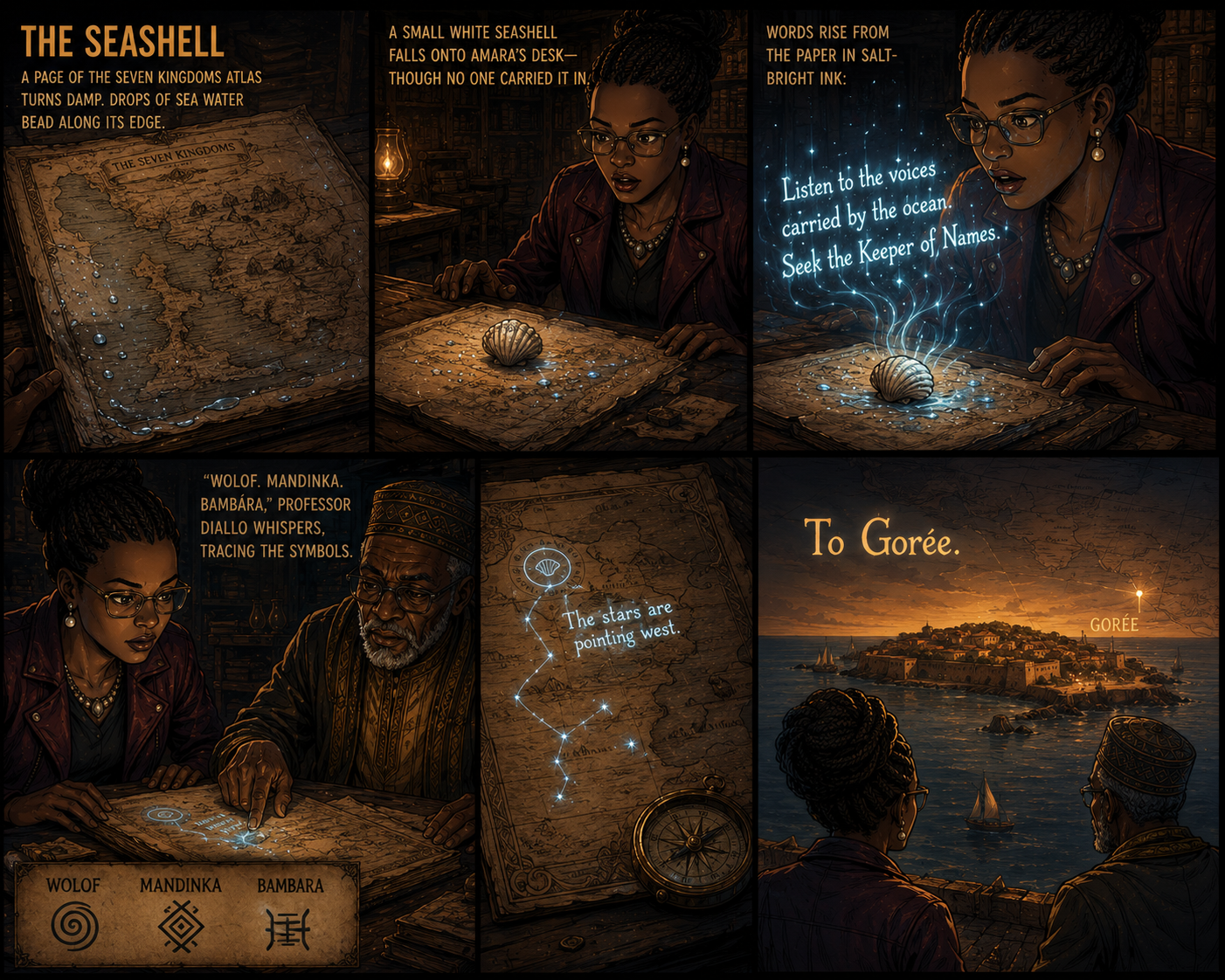
A page of the Seven Kingdoms Atlas turns damp. Drops of seawater bead along its edge.

A small white seashell falls onto Amara's desk — though no one carried it in.

Words rise from the paper in salt-bright ink: 'Listen to the voices carried by the ocean. Seek the Keeper of Names.'

"Wolof. Mandinka. Bambara," Professor Diallo whispers, tracing the symbols. "The stars are pointing west. To Gorée."

An orchestral chorus rises. The team leaves for the Atlantic coast of Senegal.

Chapter I

The Island of Memory

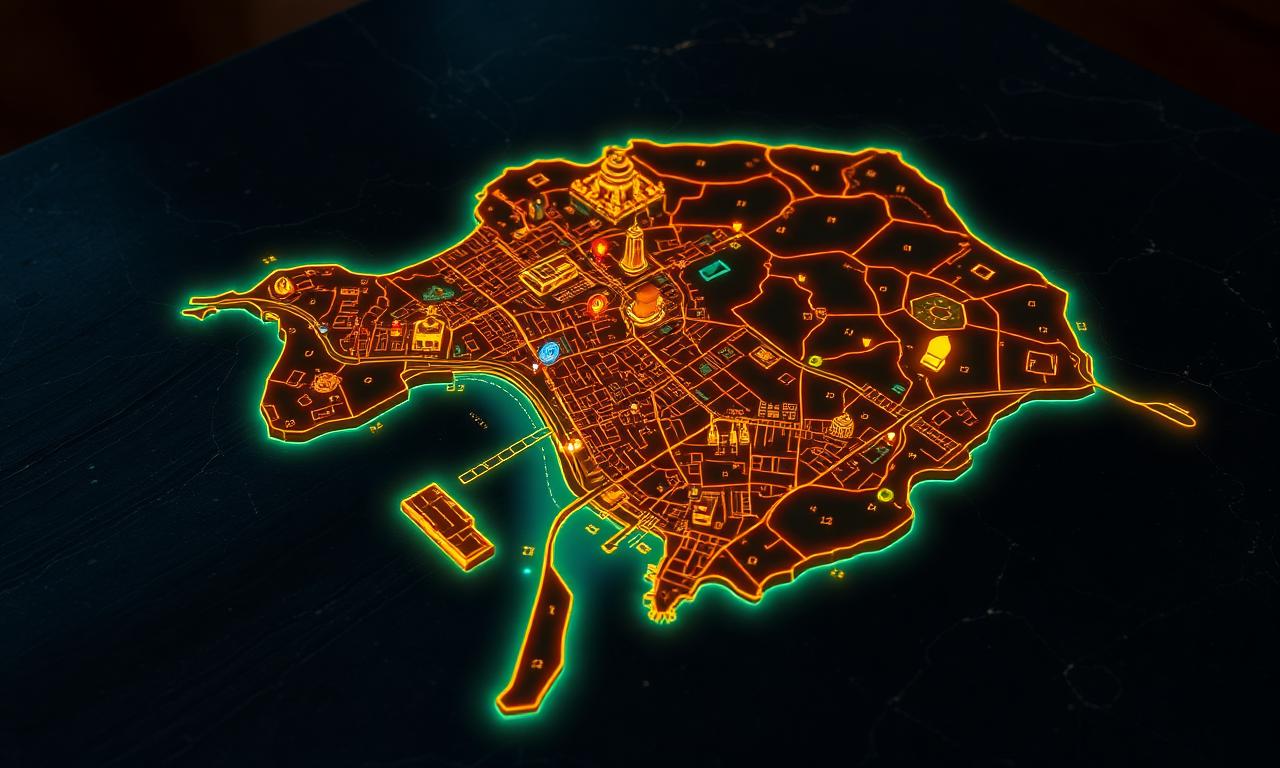
Explore the harbor, the colourful streets, the House of Slaves and the Door of No Return.

Holographic 3D map of Gorée Island with waypoints

Dakar Bay, Senegal

Gorée Harbor

Tiny stone jetty where the ferry from Dakar still arrives today.

  • Gorée Island sits just 3 km off the coast of Dakar — a 20-minute ferry ride.
  • The island is barely 900 m long and 300 m wide, yet it shaped the Atlantic world.
  • Designated a UNESCO World Heritage Site in 1978.

0 / 6 sites explored

Chapter II

The House of Memories

Amara closes her eyes. Five voices arrive, one for each ancestral language.

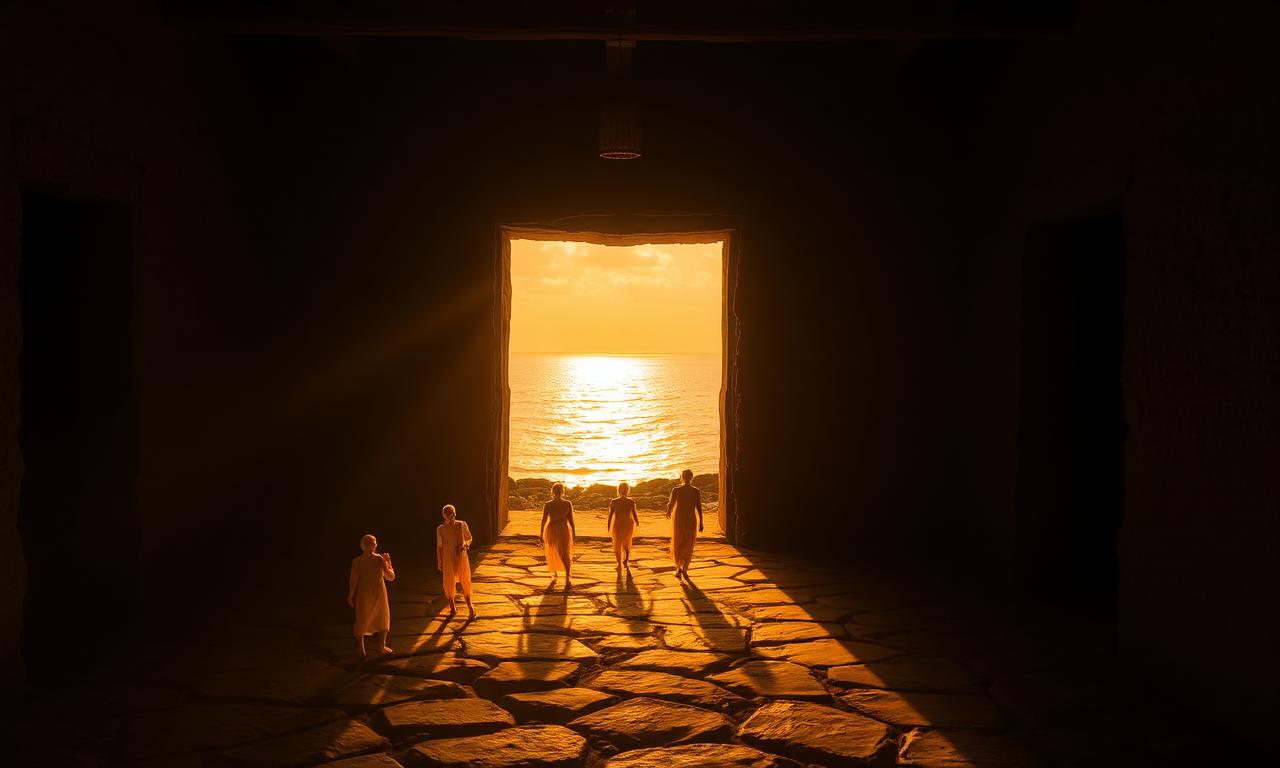
Translucent ancestor figures in the House of Slaves

The House of Memories

Amara closes her eyes. A vision arrives.

Vision 1 of 5

A mother's blessing

Wolof

"Yalla na la Yalla aar."

Voices heard: 0 / 5

Chapter III

The Seashell of Voices

Turn the shell until its engraved symbols face the sea.

The iridescent Seashell of Voices

The Listening Shell

The Seashell of Voices

Turn the shell slowly until the engraved symbols face the ocean — then hold it to your ear, and the ancestors will speak.

The shell hums one word, again and again: Sankofa.

Chapter IV

The Rhythm of Names

Play the four griot drums in the right order — the village will remember.

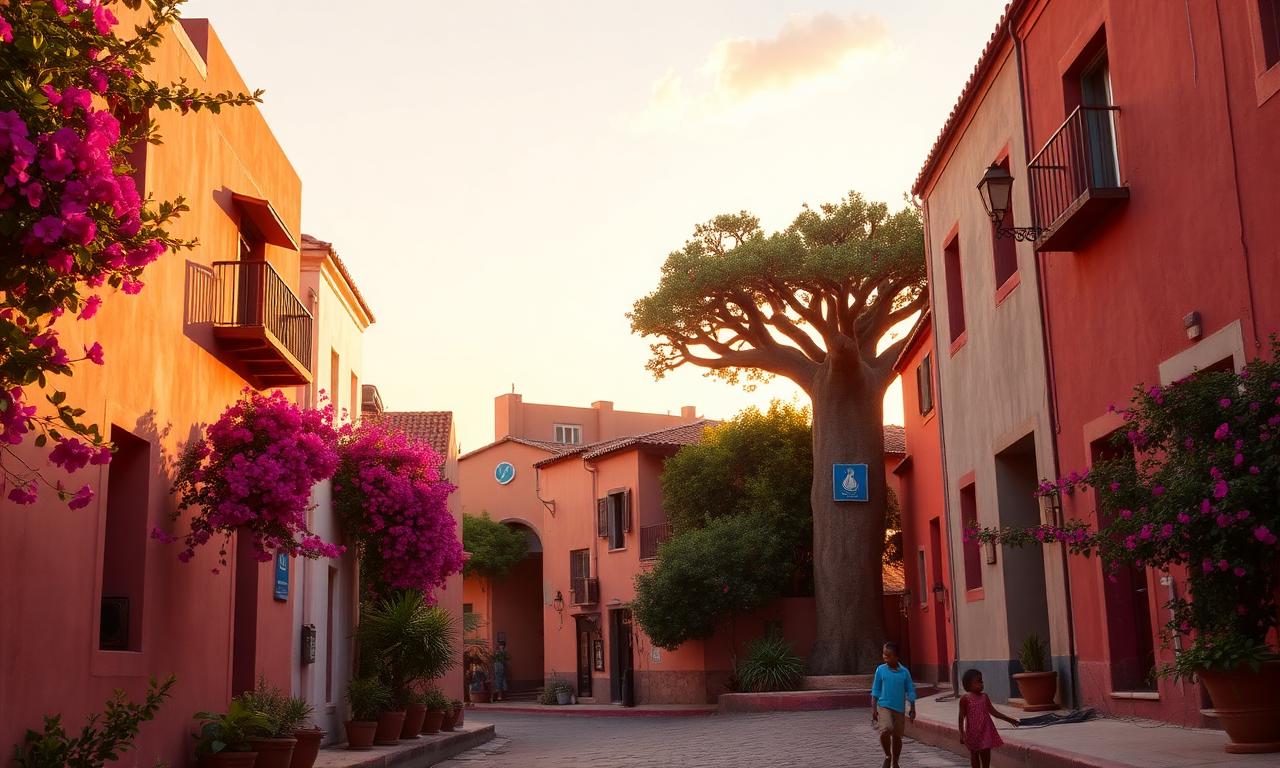
Colorful streets of Gorée Island with ancestral baobab tree

The Rhythm of Names

Play the griot's pattern

Four drums sit in the square beneath the baobab. Play them in the Mandinka griot rhythm: Sangban first, then Djembe, Dun, and Kenkeni last.

0 / 4 drums

Collection

Collect the Lost Artifacts

The Seashell, the Ancestor Drum, Joseph Ndiaye's Journal, the Sankofa Pendant — and more.

Colorful streets of Gorée Island

Treasures of Gorée

Each artifact carries a name the Erasers tried to silence.

The island has kept many gifts. Choose one, and Nuru will read its story.

Inventory: 0 / 6

Chapter V

Find the Keeper of Names

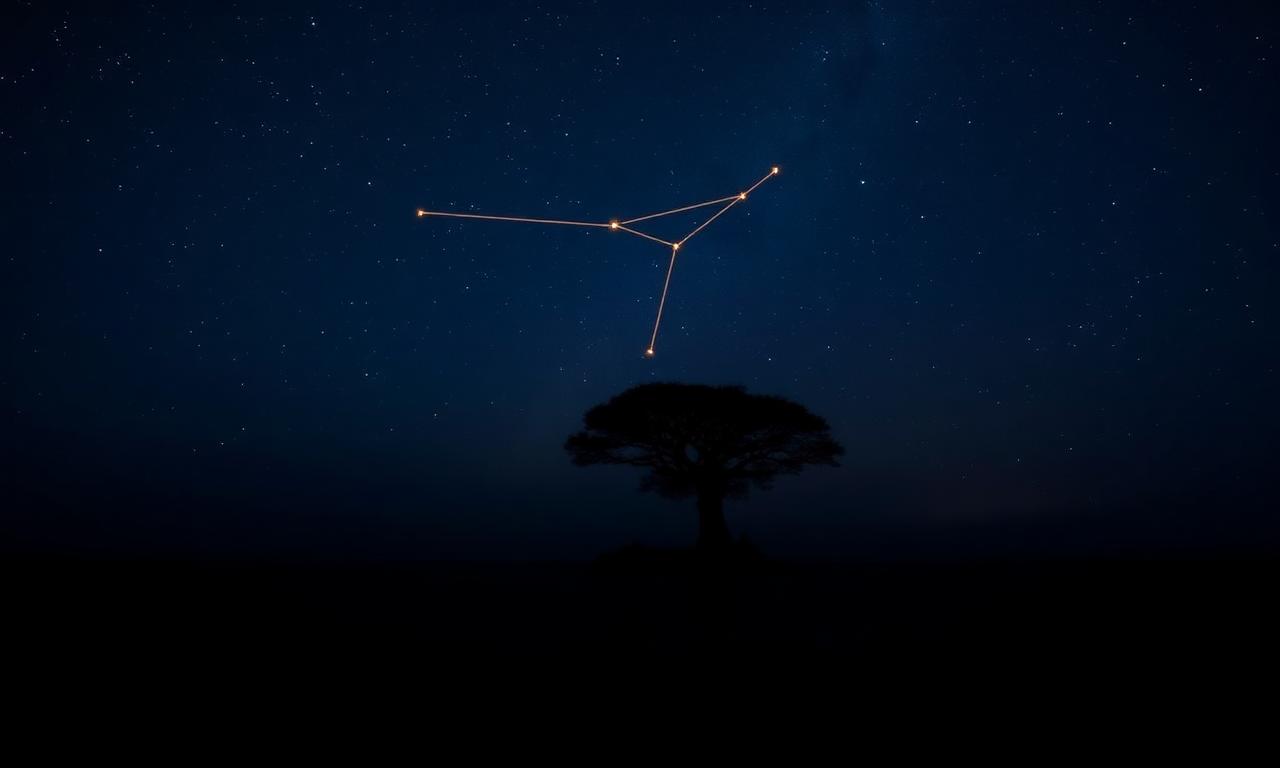
Trace the baobab in the night sky above the Door of No Return.

Baobab constellation above the Atlantic

The Baobab in the Sky

Find the Keeper of Names

Above the Door of No Return, seven stars form the silhouette of a baobab. Trace them in the order the Atlantic wind carries them.

Hint: start at the upper-right star — the eldest branch.

0 / 7 stars

Chapter V

The Keeper of Names

The Keeper of Names

Chapter V

The Keeper of Names

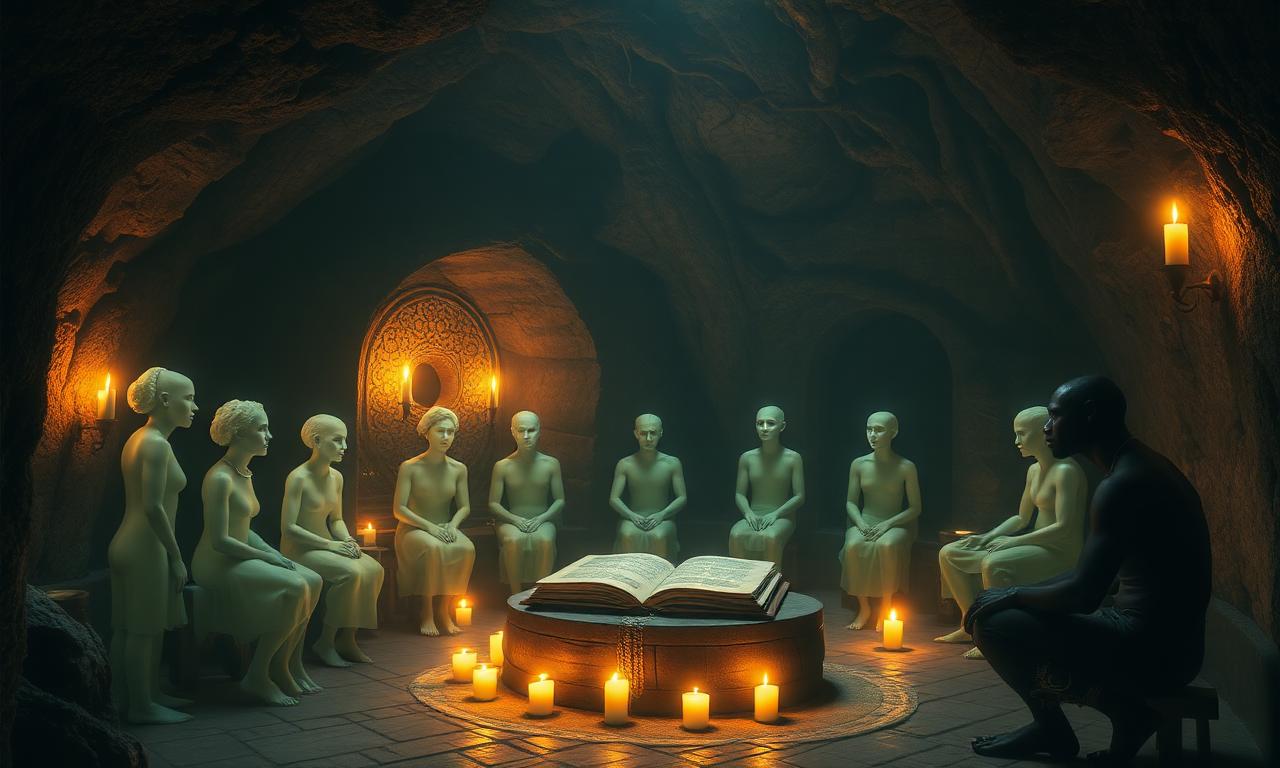
A hidden chamber opens beneath the House of Slaves, roots of a baobab tree growing through its stone walls.

Translucent ancestors stand in a quiet circle around a wooden book — the Book of Names.

When Amara opens it, names she has never read aloud begin to whisper themselves into the room.

"You came back for us," the Keeper says. "That is all we ever asked."

The lanterns brighten. The chamber feels warmer than the night outside.

Chapter VI

The Silent Curator at the Door

For the first time, he hesitates. Defend the Book of Names.

The Silent Curator at the Door

Chapter VI

The Silent Curator at the Door

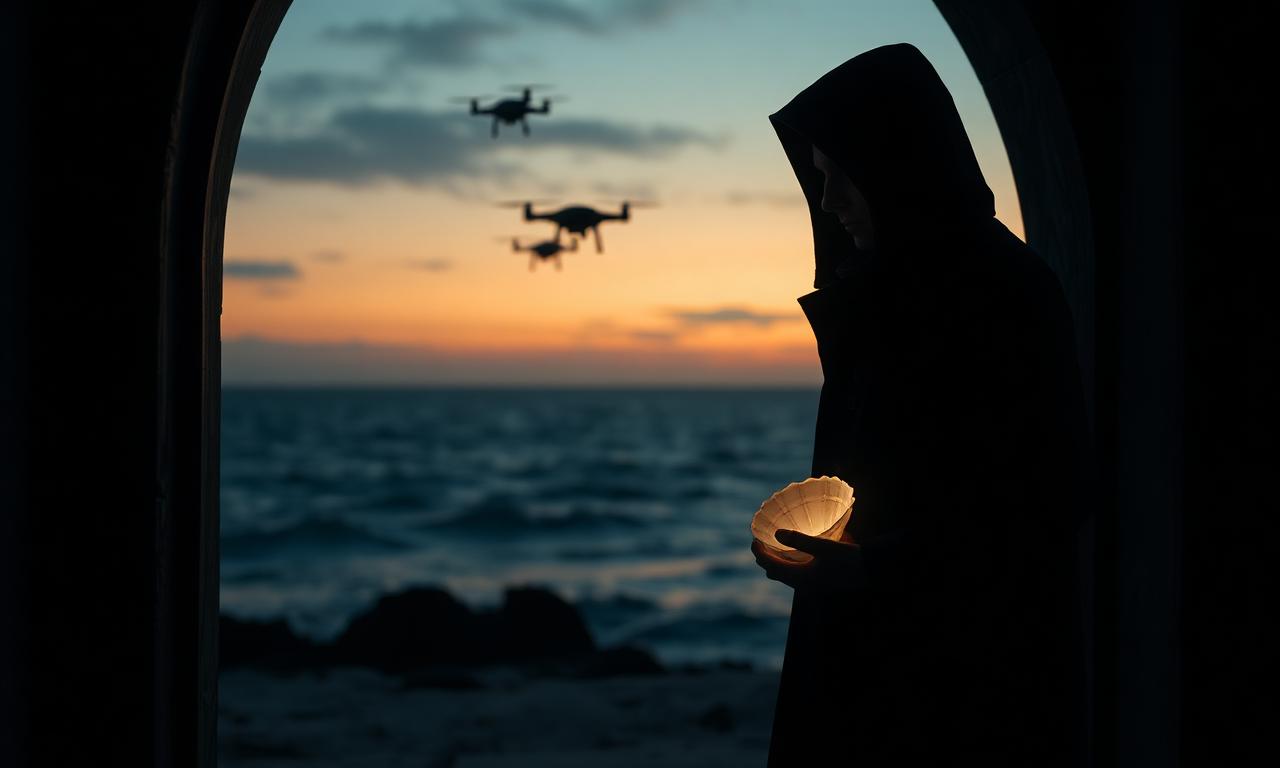
He stands in the Door of No Return, the ocean at his back, his coat the colour of wet stone.

For the first time, he lowers his hood. His face is the face of a man who never knew his grandfather's name.

His shadow drones hover behind him — uncertain, slower than before.

"My ancestors passed through this door," he says quietly. "And I do not know a single one of their names." "Then let us read them together," Amara answers.

The drones drift in, and the defense of the Book of Names begins.

The Silent Curator at the Door of No Return

Tap each symbol to seal a name.

Saved 0/8
Lost 0/5

Defend the Book of Names

The Door of No Return

Even the Silent Curator hesitates. His drones come slower now — but they still come. Each symbol you tap binds a name into Nuru's seal.

Seal 8 names before five slip through.

From the Griot Journal

History of Gorée Island

A 28-hectare island off Dakar, occupied by Portuguese, Dutch, British and French traders between the 15th and 19th centuries. UNESCO World Heritage Site since 1978.

Trade Routes

Gorée sat on Atlantic trade routes linking West Africa to the Americas and Europe — routes that carried both goods and people in unequal, brutal terms.

The House of Slaves

Built c. 1776. Curator Joseph Ndiaye devoted his life to its preservation as a place of memory and learning, not spectacle.

Oral Traditions

Griots — jeli in Mandinka — are professional memory-keepers, custodians of family histories and royal lineages stretching back centuries.

The African Diaspora

More than 12 million Africans crossed the Atlantic against their will. Their descendants today number in the hundreds of millions across the Americas, Europe and beyond.

Living Languages

Wolof, Yoruba, Kikongo, Mandinka and Bambara words live on in Brazilian Portuguese, Cuban Spanish, Haitian Kreyòl and Gullah English.

Music as Memory

Samba, jazz, blues, salsa, reggae and hip-hop all carry rhythms and call-and-response patterns rooted in West and Central Africa.

Sankofa

Akan Adinkra wisdom: 'Go back and fetch it.' To know where you are going, return to your roots. This is what Amara, and the Silent Curator, finally hear.

Rewards

Badges & Artifact Inventory

Ocean Listener

Activated the Seashell of Voices.

Locked

Apprentice Griot

Played the rhythm of names.

Locked

Baobab Reader

Traced the baobab in the sky.

Locked

Keeper of Names

Collected every artifact.

Locked

Sankofa

Heard every ancestral voice.

Locked

Artifacts collected: 0 / 6 · Voices heard: 0 / 5 · Names saved: 0 / 8

Ending

The Voices Carry On

The Voices Carry On

Ending

The Voices Carry On

Across the ocean, the Book of Names speaks — and somewhere in Brazil, in Cuba, in Haiti, in the Carolinas, a grandmother stops mid-sentence and remembers a story she did not know she knew.

The Atlas turns its next page on its own. A patterned cloth, a queen with a brass crown, a great river bend.

"The Kingdom of Kongo," Professor Diallo whispers. "And then — Queen Nzinga."

The screen fades to gold. Coming next: Queen Nzinga's Secret.

Coming Next

Amara the Archivist
Queen Nzinga's Secret

A queen who refused to kneel. A kingdom in the Kongo bend. The Atlas turns again.