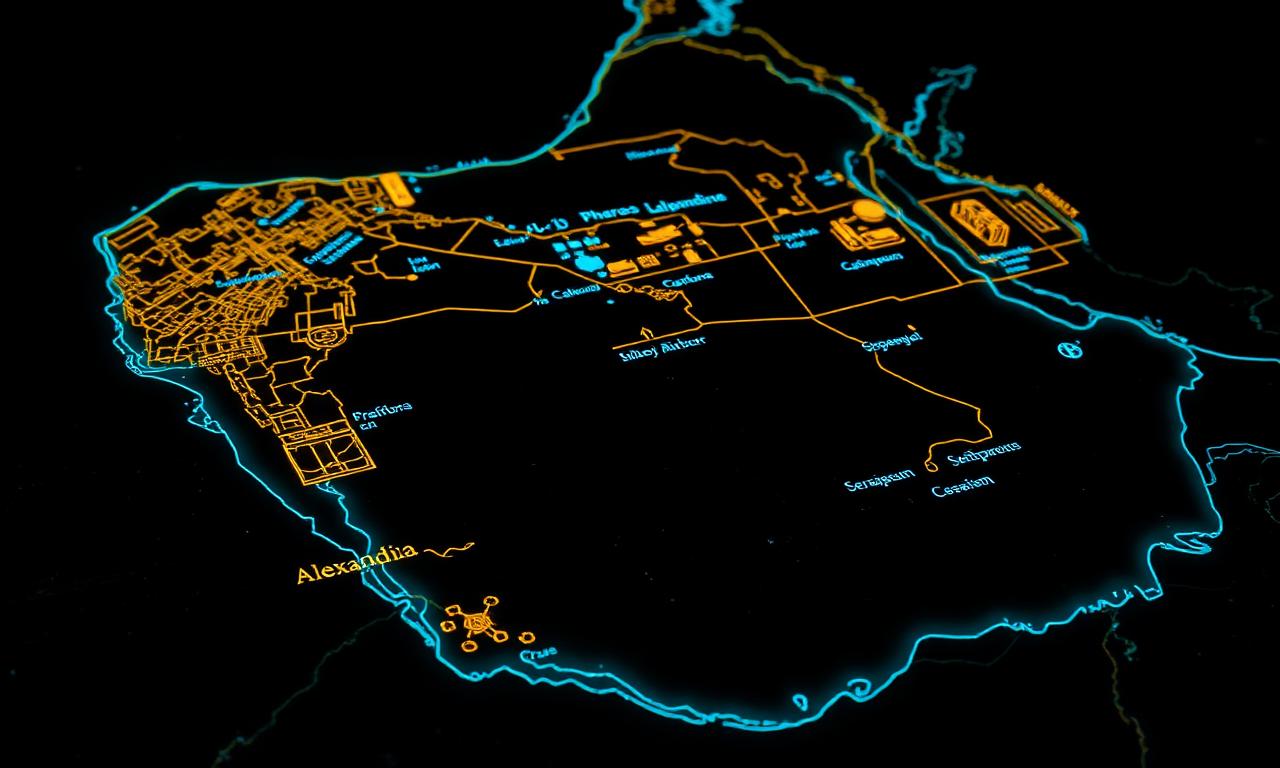
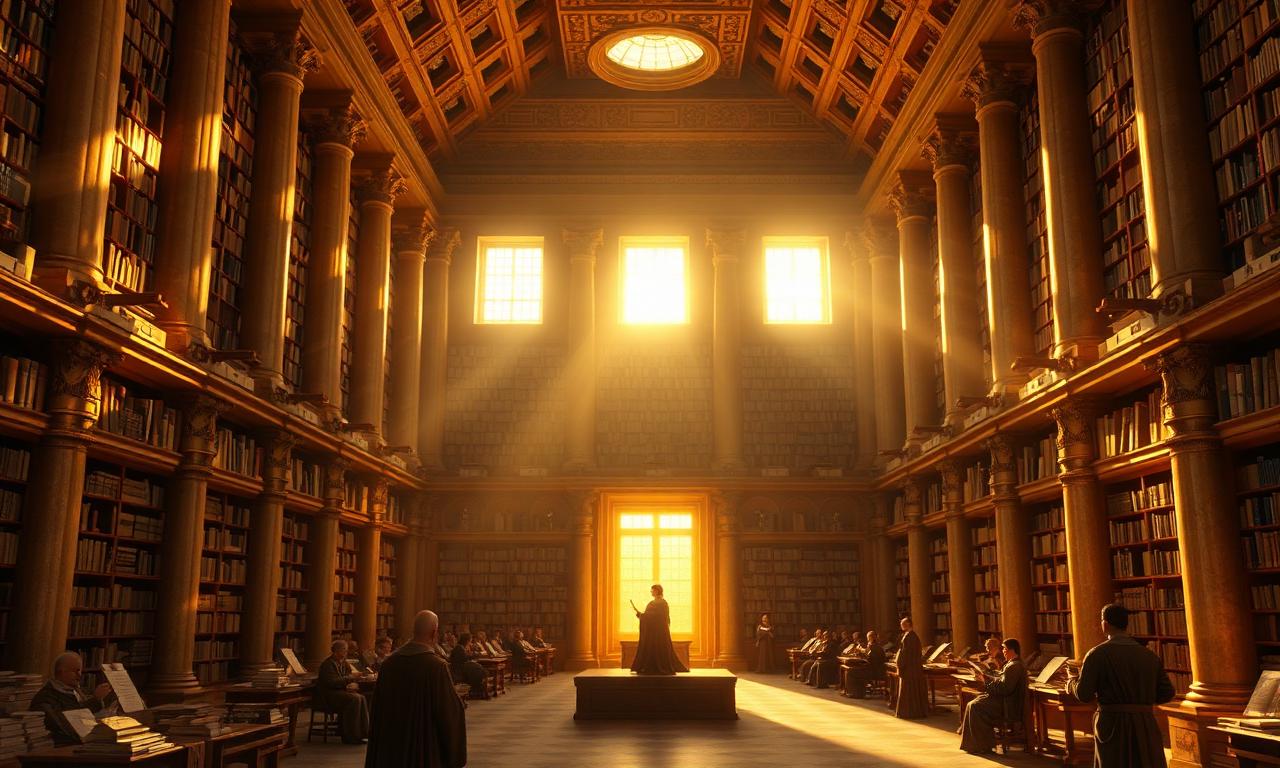
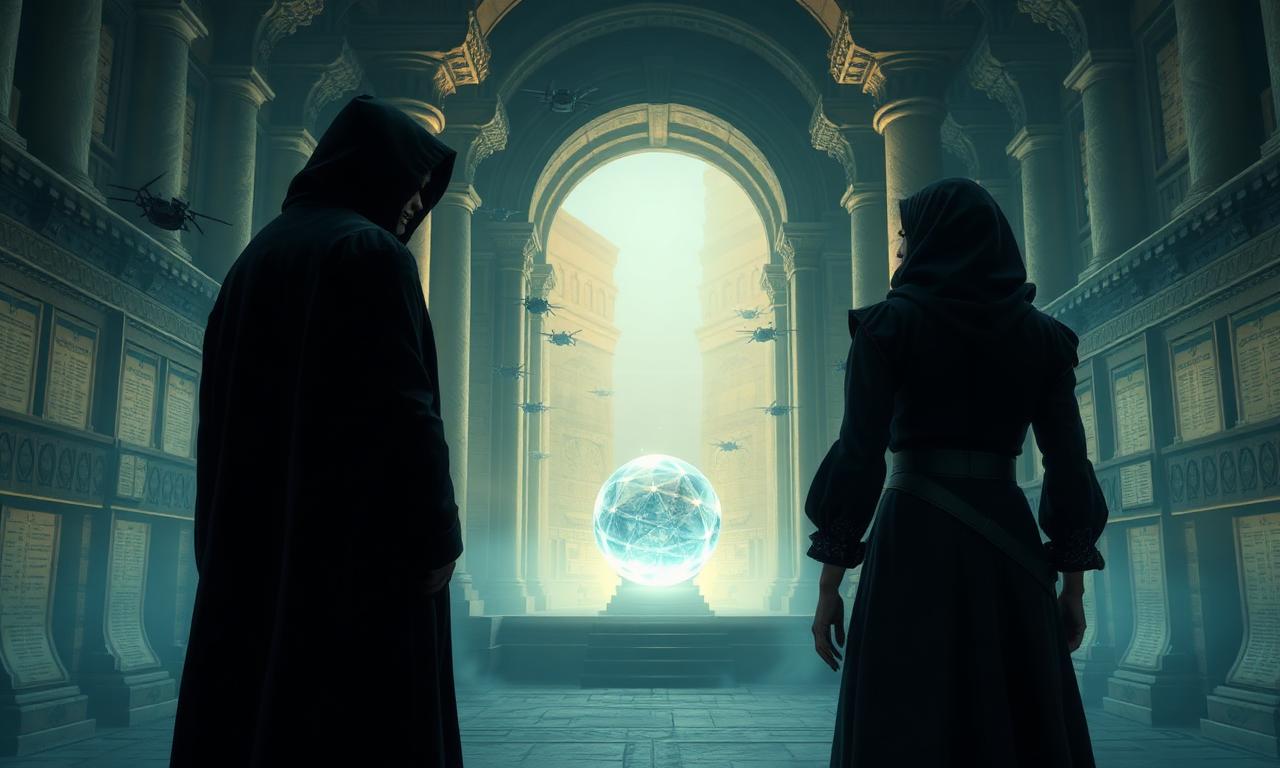
More than 2,000 years ago, the city of Alexandria in Egypt became home to the legendary Library of Alexandria. Founded during the Ptolemaic Kingdom, it was created with an extraordinary dream: to gather all the world's knowledge in one place.
Scholars, scientists, mathematicians, philosophers, physicians, astronomers, poets, and explorers traveled from many lands to study, debate ideas, translate books, and share discoveries. Thousands of handwritten scrolls were collected, copied, and preserved, making Alexandria one of the greatest centers of scholarship in the ancient world.
Many of history's greatest thinkers were connected with Alexandria. Their work advanced mathematics, astronomy, geography, engineering, medicine, and literature, influencing civilizations for centuries to come.
Over time, wars, fires, political upheaval, and changing empires led to the gradual disappearance of the great library. Most of its scrolls were lost, and many of its greatest treasures vanished forever. Even today, historians continue to study what happened to this remarkable center of learning.
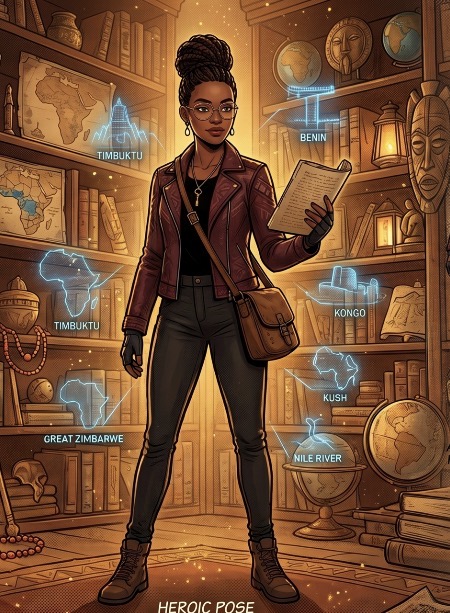
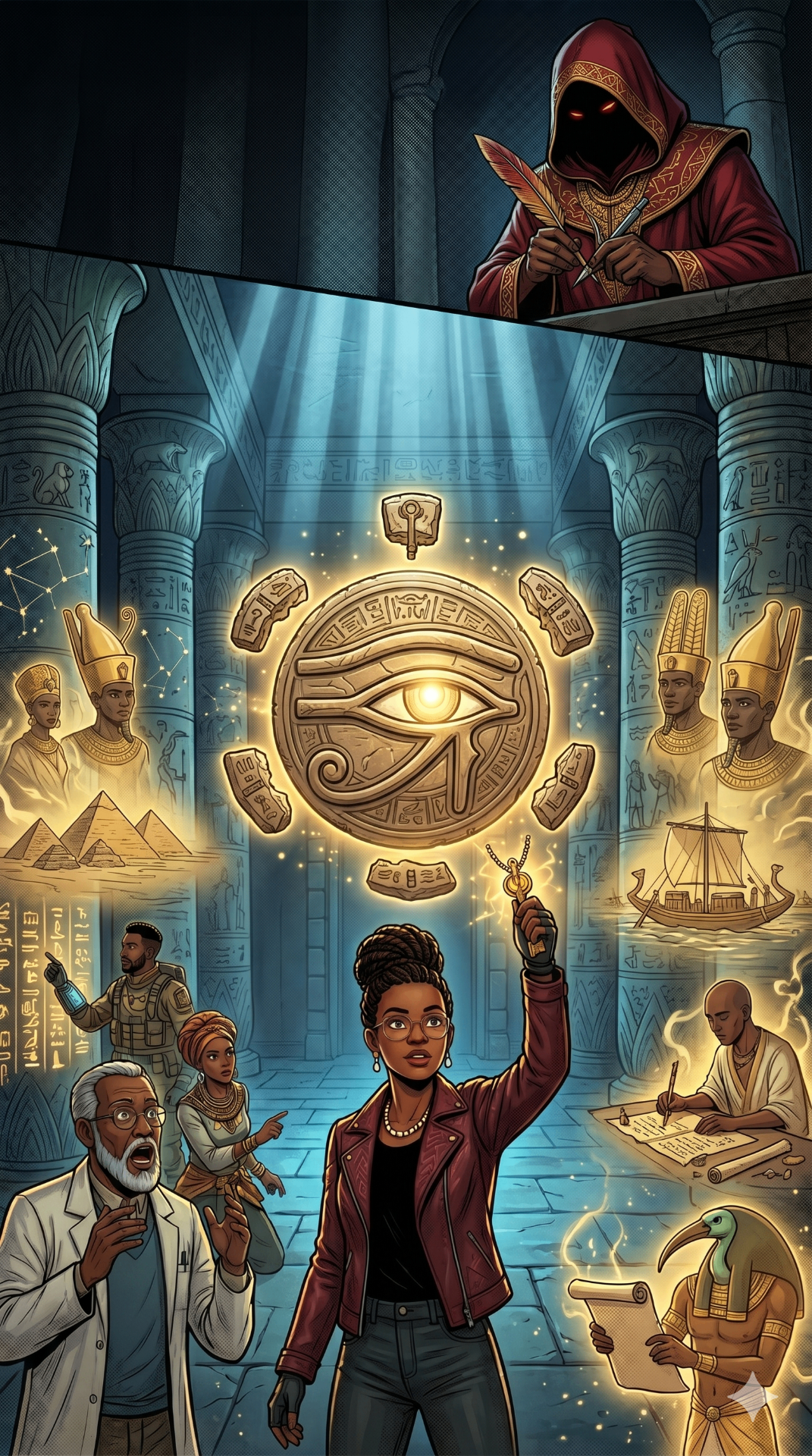
The adventure of Amara the Archivist is inspired by this extraordinary history. While Amara, the hidden secrets, and the mysterious clues she follows are fictional, the city of Alexandria, its famous library, and its lasting impact on human knowledge are real.
Although no surviving artifact has been definitively identified as coming from the ancient Library of Alexandria, museums around the world—including the Smithsonian's National Museum of African Art—preserve Egyptian artworks and cultural objects that help tell the story of the civilizations that shaped North Africa. In Amara's adventure, these authentic works of art become the starting point for discovering the forgotten legacy of Alexandria.
Every mystery Amara solves reminds us that knowledge can outlive kingdoms, and that preserving history is one of humanity's greatest responsibilities.