For hundreds of years, master artists in the royal court of Benin—located in present-day Nigeria—created magnificent bronze and brass plaques, sculptures, and ceremonial objects. These artworks decorated the walls and pillars of the royal palace and recorded the history of the kingdom. They celebrated kings known as Obas, honored queens, warriors, diplomats, merchants, and court officials, and preserved important events for future generations.
Each plaque was more than a beautiful work of art. Together, they formed a visual history of the Benin Kingdom, telling stories of leadership, courage, diplomacy, faith, trade, and daily life. They remind us that history can be preserved not only in books but also in works of art.
In 1897, during the British Punitive Expedition against the Kingdom of Benin, the royal palace was attacked and thousands of these treasured artworks were taken from Benin City. Many were sold to museums and private collectors around the world. Today, communities, museums, and governments continue to work together to research these objects and, in many cases, return them to Nigeria.
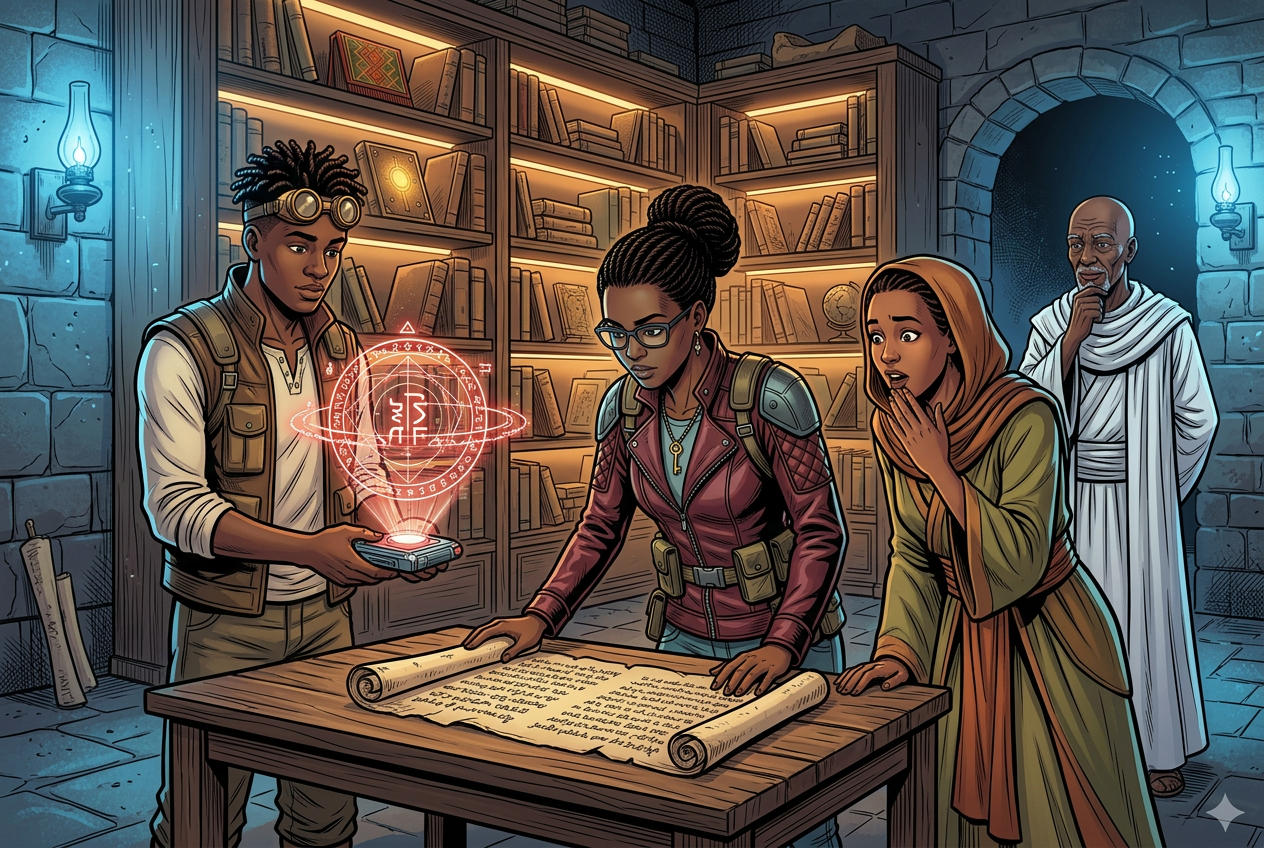
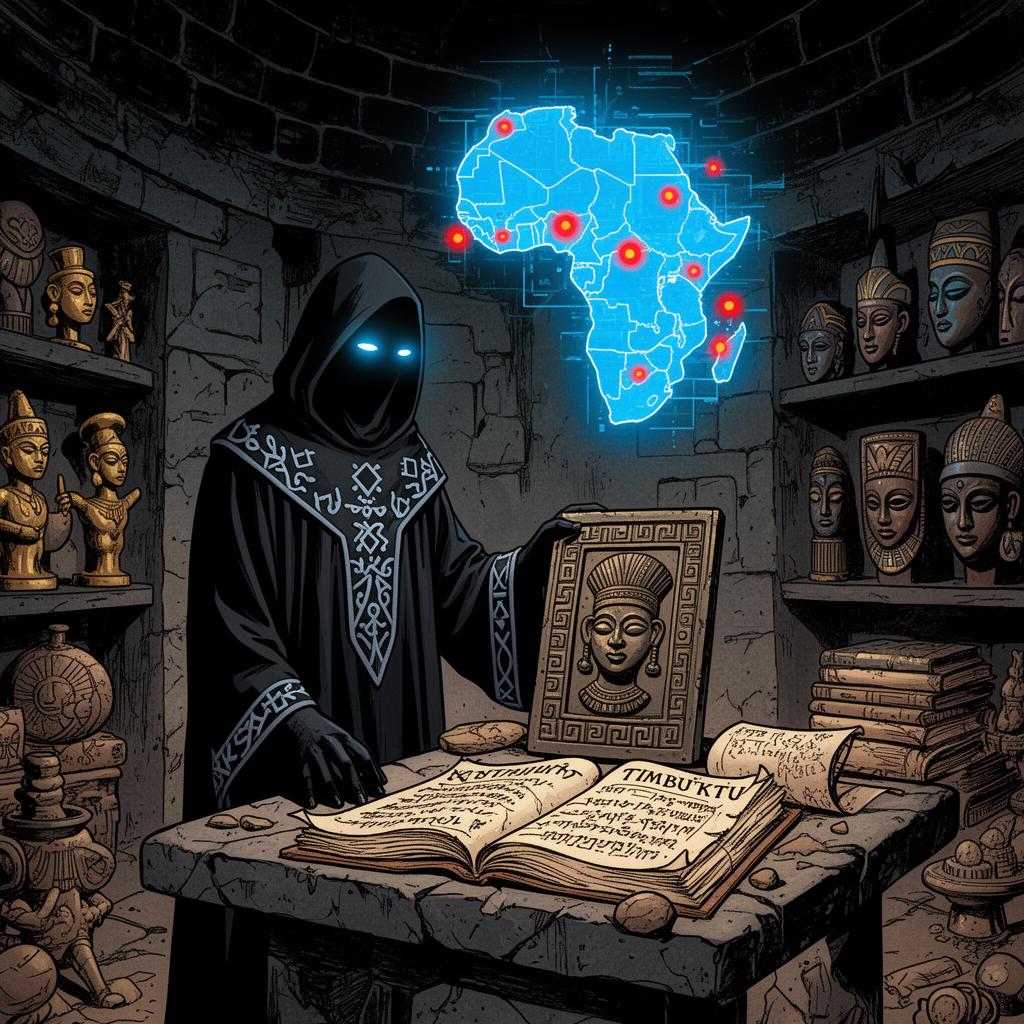
The adventure of Amara the Archivist is inspired by this remarkable history. While Amara, the Whispering Plaques, and the hidden messages she discovers are fictional, the Kingdom of Benin, its extraordinary artists, and the bronze plaques are real. Their beauty and craftsmanship continue to tell the story of one of Africa's greatest civilizations.
Every time Amara listens to the "whispers" of a plaque, she reminds us that history is always speaking to those who are willing to learn, protect, and remember.