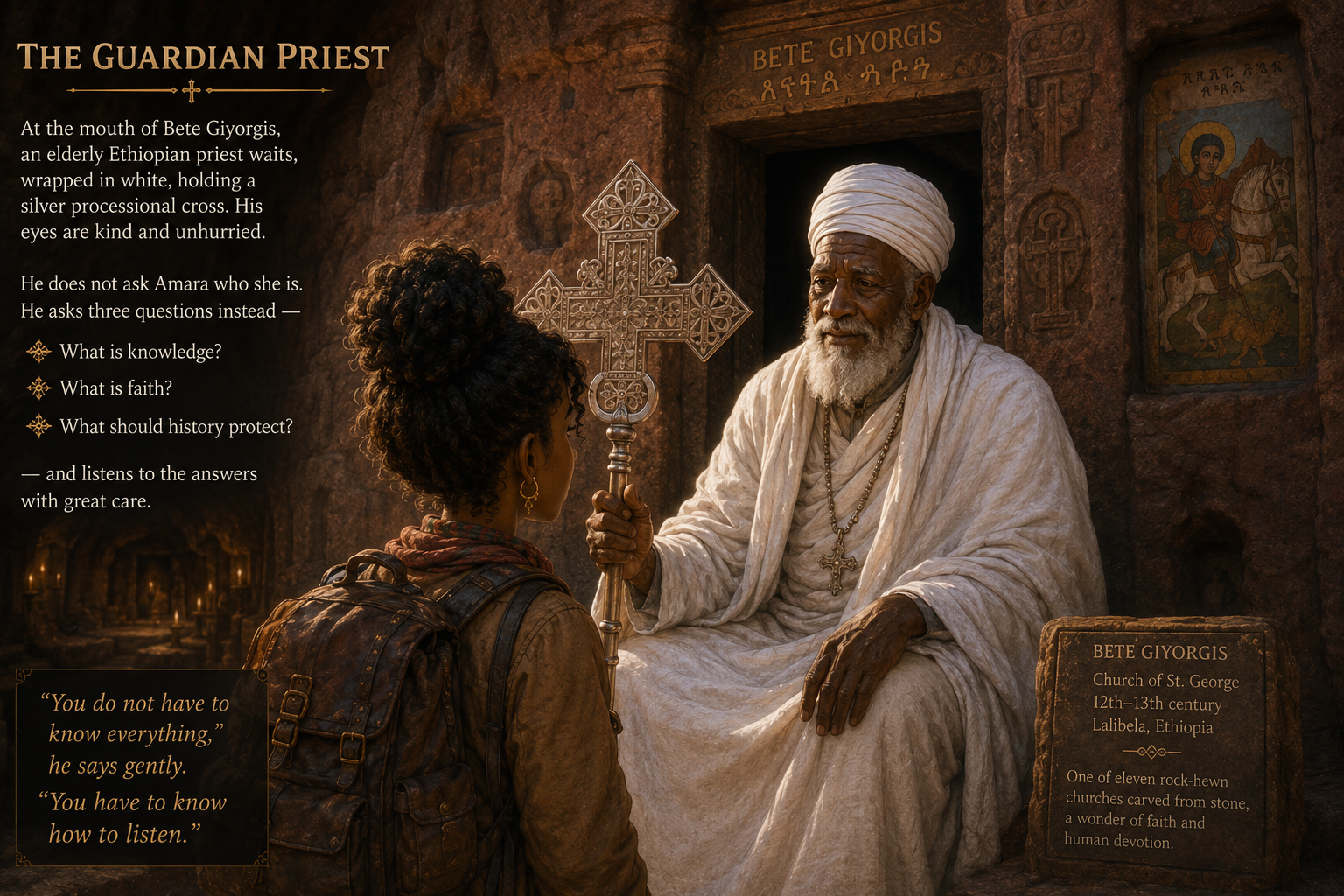
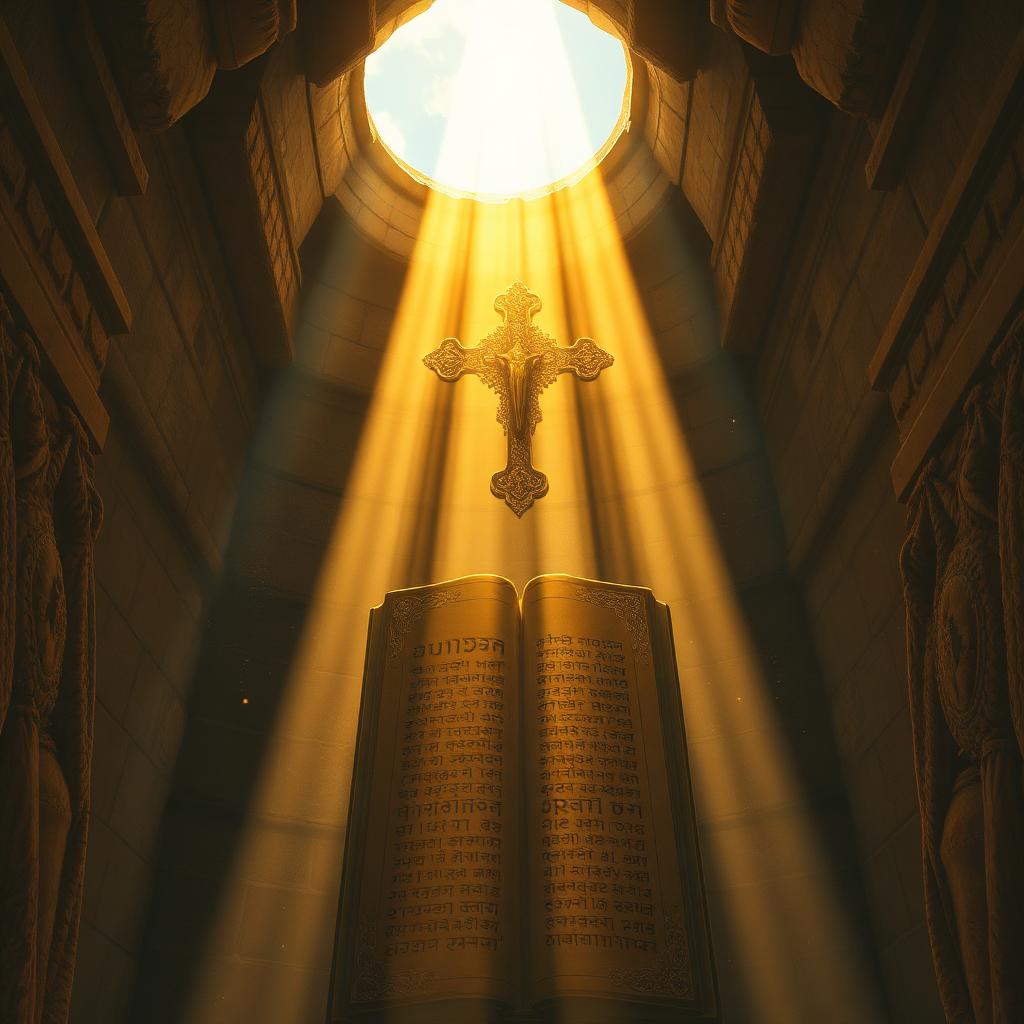
More than eight hundred years ago, in the highlands of what is today northern Ethiopia, King Lalibela of the Zagwe dynasty set out to build a New Jerusalem in the heart of Africa. Rather than raising churches upward from the ground, his master craftsmen did something extraordinary — they carved eleven churches downward, directly out of solid volcanic rock.
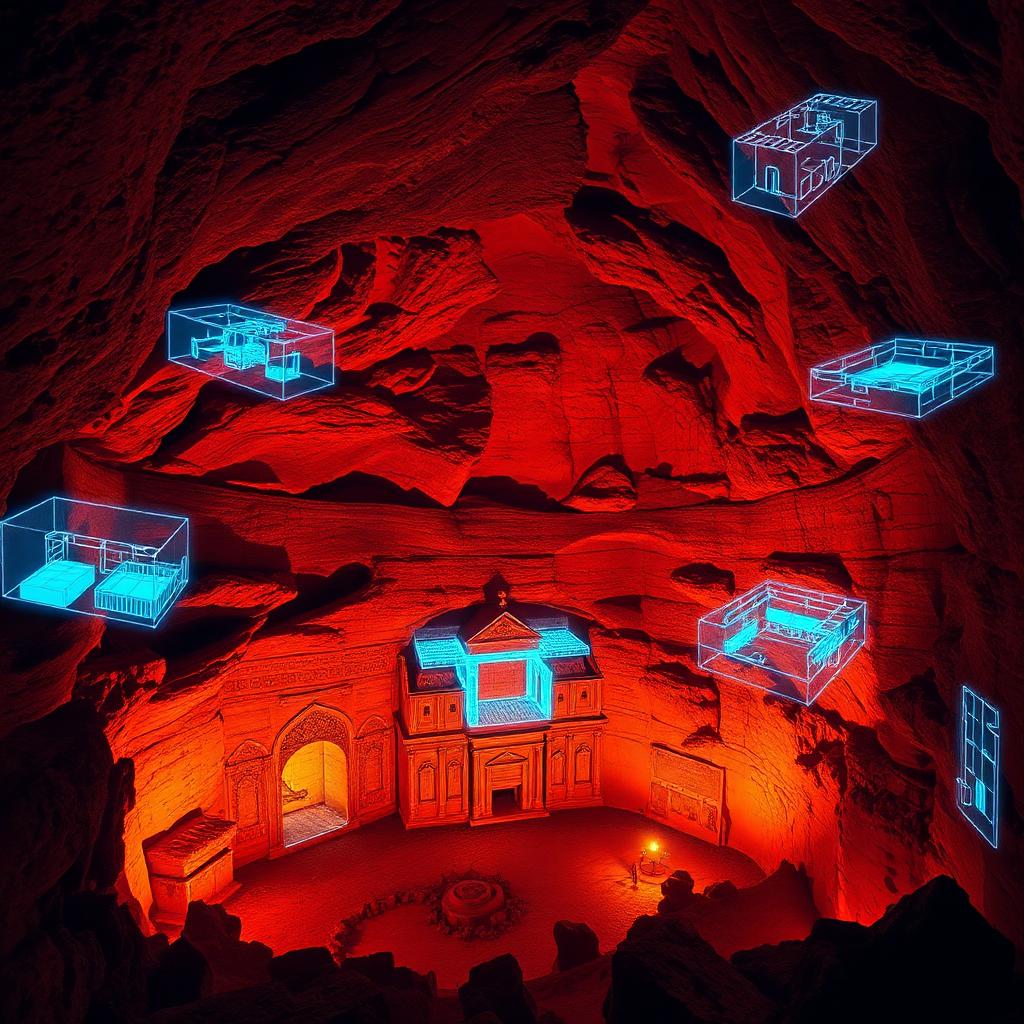
Each church was hewn from a single enormous block of stone. Roofs, doorways, arches, columns, windows, drainage channels, tunnels and courtyards were all cut in place, from the top down. The result is one of the most remarkable engineering achievements in human history.
Lalibela is the spiritual home of Ethiopian Orthodox Christianity, one of the oldest Christian traditions in the world. For over eight centuries, pilgrims have travelled long distances to worship in these churches, and priests have kept vigil among their carved crosses and Ge'ez inscriptions.
Today, the rock-hewn churches of Lalibela are a UNESCO World Heritage Site and a symbol of Ethiopian faith, ingenuity, and cultural continuity.
This episode of Amara the Archivist is inspired by the true history of Lalibela, King Lalibela of the Zagwe dynasty, and the Ethiopian Orthodox tradition. While Amara's adventure is fictional, the churches, the Ge'ez script, the processional crosses, and the centuries of pilgrimage are all real.